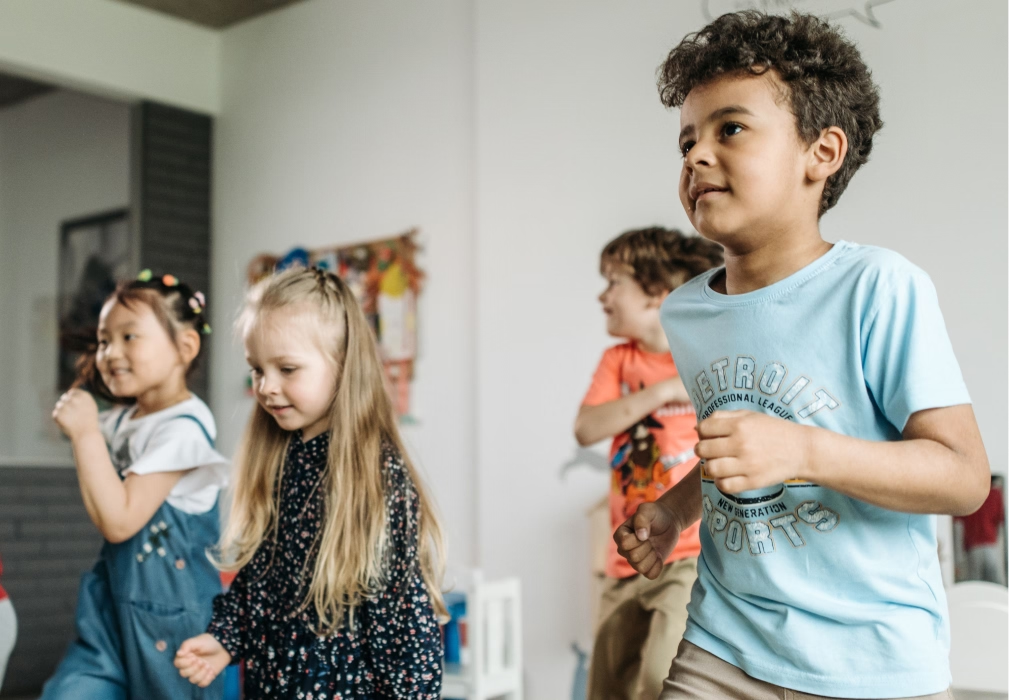
Exploring creativity through play and discovery every day



Daniel Reyes is a play-based learning advocate and former preschool teacher. He writes about curiosity-driven education and practical ideas parents can use at home every day.

Why play is a child's first language of discovery
Long before children can explain what they're thinking, they show it through play. A block tower, a pretend tea party, or a scribbled drawing are all signs of a mind actively exploring the world.
What curiosity-driven play looks like
Play that encourages real discovery usually shares a few qualities:
- Child-led – The child chooses what to explore and how, building independence.
- Open-ended – There's no single “right way” to play, which encourages imagination.
- Unhurried – Time to repeat, experiment, and get things wrong is part of learning.
- Sensory-rich – Textures, sounds, and movement deepen understanding.
How to support it at home or school
Adults don't need to direct every moment of play. Offering a few open-ended materials, a safe space, and unstructured time is often the most powerful thing you can do to support discovery.
Final thoughts
Every day offers new chances for children to explore, imagine, and grow. Protecting space for real, unhurried play is one of the simplest ways to nurture a lifelong love of learning.